Home Batteries: When They Pay Off - and When They Don't
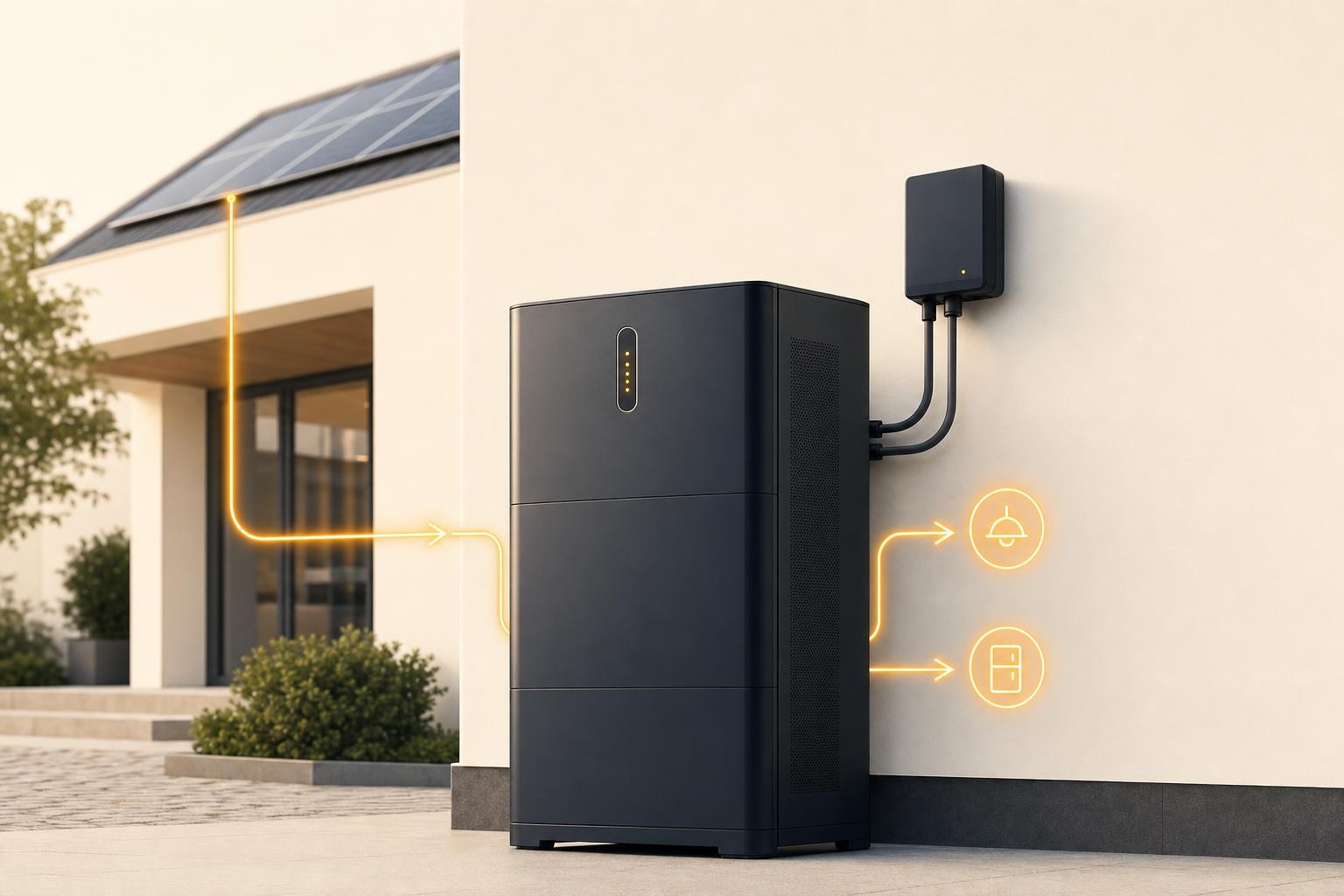
A home battery sounds like the obvious next step after solar panels: store your daytime sunshine, use it at night, and stop buying expensive grid power. Sometimes that's exactly how it works out. But a battery is a big purchase, and whether it earns its keep depends on a few things that are specific to your home. Here's the honest, no-jargon version.
What a battery actually does for you
A home battery stores electricity so you can use it later. In practice it does two useful jobs. First, it boosts your self-consumption: instead of exporting cheap surplus solar and buying pricey power back in the evening, you store your own generation and use it when you need it. Second, if you're on the right tariff, it lets you buy electricity when it's cheap and use it when grid prices are high.
The size of the prize depends entirely on which of those jobs your battery can do - and how big the gap is between what you pay to import and what you'd otherwise earn by exporting.
Realistic payback periods in 2026
Let's be straight about the numbers. In the UK, a typical solar-plus-battery setup - say a 4 kWp system with a 5-10 kWh battery - saves roughly £800 to £1,200 a year and pays back in around 11 to 14 years on a simple flat tariff[1]. That's fine, but it's not dramatic.
The picture changes a lot with a smart, time-of-use tariff. If you charge the battery from the grid at an off-peak rate and use it during expensive peak hours, payback can fall to around 8 to 10 years[2] - and engaged households on tariffs like Octopus Agile can do better still. In Germany, a residential system pays back on average in about 8 to 12 years, helped by high electricity prices and 0% VAT on solar equipment[3]. But most German homes are still on flat rates, where a battery earns nothing from price arbitrage; on a dynamic tariff, a 10 kWh battery can add €200 to €500 a year in arbitrage savings[4].
When a battery is worth it
A battery tends to pay off when several of these are true. You already have solar, so the battery stores your own free generation rather than power you had to buy. You use a lot of electricity in the evening and overnight, when your panels aren't producing. You're on - or willing to switch to - a time-of-use tariff, so you can charge cheap and avoid the peak. And you have other overnight loads, like an EV: charging the battery on cheap off-peak power and topping up the car from it can save several hundred pounds or euros a year on its own.
When it doesn't add up
Be equally honest about the other side. If you're stuck on a single flat rate with no cheap overnight window, a battery can only save you the difference between your import price and your export payment - which is often too small to justify the cost quickly. If most of your electricity use already happens during daylight, when your panels are working anyway, there's less surplus to store. And a battery bought purely for backup during power cuts is a lifestyle choice, not a money-saver - worth it if you value the peace of mind, but don't expect it to pay for itself.
The bottom line
A battery is rarely a bad idea, but it's often an optional one. The smart move is to size your solar first, understand your evening and overnight usage, and check whether a time-of-use tariff is available to you. Then add a battery if - and only if - the numbers work for your household, not the national average.
The quickest way to get a realistic starting point for your own roof and system size is to trace it and let the maths run. No pressure, no sign-up.